
-
The Supreme Court is hearing a case Wednesday about what information is tracked when you watch videos online, including everything from a movie to a product review.
-
 NintendoWe got to play The Legend of Zelda: Ocarina of Time early. Here are our impressions of the remake and its elaborate new style.

-
David Robinson is the latest tech industry employee to quit over AI safety concerns. He tells NPR's Scott Simon the "culture is broken" at OpenAI.
-
 The prediction market company says it wants to prevent its platform from being abused by criminals. The company is facing mounting pressure over market manipulation and insider trading on the site.
 -
 The three fired workers say OpenAI punished them for being outspoken about safety. The company disputes the claims and says they were fired over mishandling sensitive information.
 -
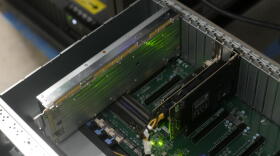 In the past month or so, the world seems to be waking up to warnings that rogue AI could escape its human creators and kill everyone on earth.
 -
The Big Tech companies are facing legal challenges and public backlash across the country, so they’ve been looking abroad for new opportunities.
-
 The company says Russian operatives used its AI chatbot to update their bosses, shedding light on influence campaigns previously not attributed to Russia.
 -
Facing legal challenges and public backlash at home, American tech giants are looking abroad for new opportunities in Australia. But the reception down under may not be quite as warm as they hope.
-
 Hamilton was in her early thirties when she led the team of software engineers that powered NASA's Apollo missions. She later said, "There was no choice but to be pioneers."
 -
 Even as the agency is tasked with drawing up new rules for crypto and prediction markets, its staffing and enforcement actions have dropped precipitously during the second Trump administration.
 -
 A trove of documents and interviews with people close to tech billionaire Elon Musk reveal a damning picture of his rise as one of the world's richest and most powerful men.


